

Insights
The latest news, views, insights and people stories from the Cymba team.
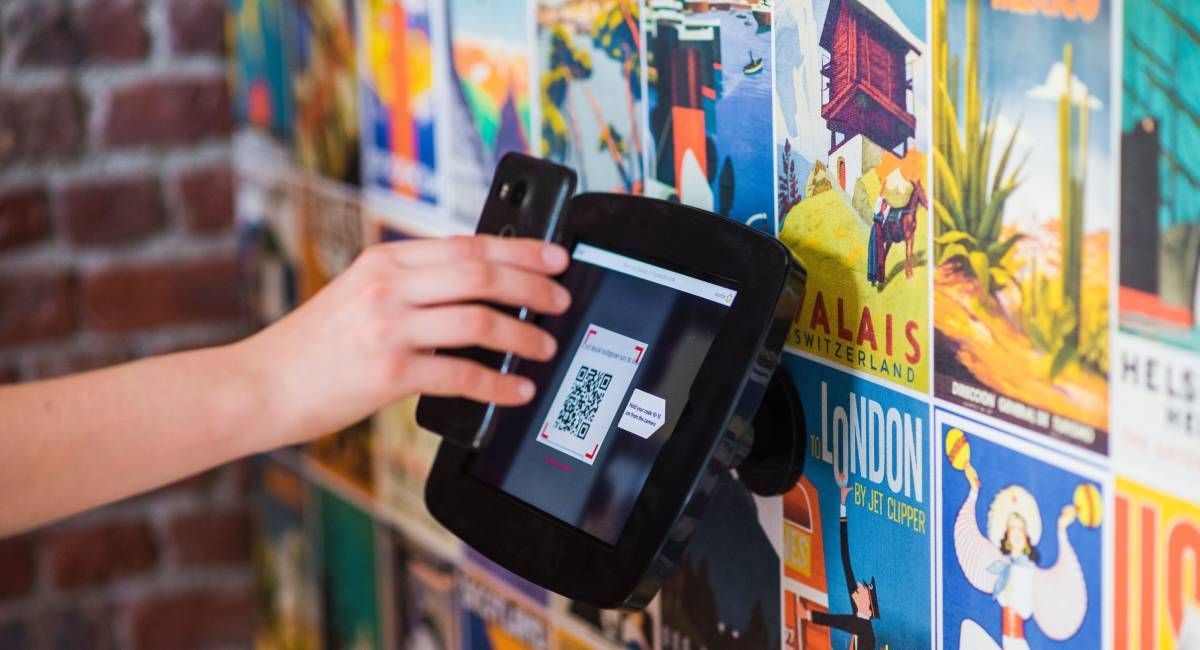
QR codes were declared dead. Then COVID arrived, and overnight, the technology everyone had written off became the most scanned thing on the planet. For charities, the story is only just getting interesting. In 2018, a marketing student sat down to write his dissertation. His subject? QR codes, and specifically, why nobody was using them anymore. His conclusion, backed by evidence and entirely reasonable at the time, was that QR codes were old news. A curio. Technology that had had its moment and missed it. Two years later, the world changed overnight. And those little black and white squares were suddenly on every restaurant table, every shop window, every government health notice in the country. That student was James , now part of the Cymba team, and one of the reasons we think so much about how technology and fundraising intersect. His story is a good one. But it’s also a useful lens for understanding why QR codes matter for charities right now. Born in a car factory. Ignored for decades. The QR code was invented in 1994 by Masahiro Hara, an engineer at Japanese company Denso Wave. The goal was practical and unglamorous: a better way to track car parts on a manufacturing line. Traditional barcodes could only hold a small amount of data; the new Quick Response code could hold significantly more, and could be scanned from any angle. For years, it stayed that way. When smartphones arrived, there was a brief moment of excitement. Surely QR codes would take off? They didn’t. The problem was friction. To scan a QR code, you needed a separate app, find it, download it, open it, and then scan. By which point, most people had given up and typed the URL instead. The quiet revolution nobody noticed Here’s what actually changed, and this is the part of the story that tends to get overlooked. In 2017, Apple quietly built native QR code scanning directly into the iPhone camera app. No separate app required. Point, scan, done. Android followed in 2018 with Google Lens. The single biggest barrier to QR adoption had been removed, and almost nobody noticed. The technology was ready. The phones were ready. The friction was gone. What was missing was a reason to use it. Then, on 11th March 2020, the World Health Organisation declared a global pandemic. Within weeks, restaurants had ditched paper menus. NHS Test and Trace was built around QR codes. Every sector that needed to move people through spaces without physical contact turned to the same solution. Usage grew by more than 750% in the 18 months that followed. And crucially, the behaviour stuck. Unlike so many pandemic habits that faded when restrictions lifted, QR codes didn’t disappear. The phoenix had risen, and it wasn’t going back. What this means for charities For fundraisers, the QR code revival is genuinely exciting. Think about the moments when someone feels moved to give. A powerful speaker at an event. A charity collection point in a church or community hall. A street fundraiser who makes a genuine connection. These are the moments of impulse and emotion that drive donations, and historically, they’ve been the hardest to convert. Cash is declining. Card readers require infrastructure. Websites require someone to remember a URL later, when the feeling has passed. A QR code solves all of that. Point a phone camera, no app needed, and within seconds, a donor is on a giving page, on their own device. The moment of generosity doesn’t get lost. It gets captured. The best fundraising tools are the ones that get out of the way. A QR code asks almost nothing of a donor, and gives a charity everything The places charities aren’t using them yet Events are the obvious application, and many charities are already there. But the opportunity goes further. Collection tins and buckets with a QR code alongside them, for people who don’t carry cash. Thank-you letters with a code that takes a donor straight to an impact update. Church service sheets. Community noticeboards. Charity shop windows. Street posters. Anywhere a person might pause, feel something, and be ready to act. There’s also something worth saying about accessibility. A QR code doesn’t require someone to remember a URL, spell a charity’s name correctly, or navigate from a homepage. It takes them exactly where you want them to go, in one step. For older donors who may not be confident online, simplicity matters enormously. The little square didn’t die. It was just waiting for its moment James was right in 2018. QR codes were old tech, overlooked and underused. What he couldn’t have known was that the smartphone was about to make them effortless, and the world was about to make them essential. The charities best placed to take advantage are the ones that have already built digital giving infrastructure into everything they do. A QR code on every piece of print. A mobile giving journey that works the moment someone scans. Not a nice-to-have, a standard part of how they operate. Because when the moment comes, planned or otherwise, you want to be ready. Want to see how QR codes can start a dialogue with new or existing supporters? At Cymba, we build mobile giving journeys that use QR codes, SMS, WhatsApp and RCS to capture donations at exactly the right moment. If you’d like to see what that looks like for your cause, we’d love to show you.

Micro-payments, RCS messaging, and clean data - how charities can meet the next generation of donors exactly where they are. Introduction: A Generation That Already Subscribes There is a generation of potential donors who have never paid for a DVD, never bought a CD, and never visited a bank branch. They subscribe to everything - Netflix, Spotify, gym apps, meal kits, and cloud storage. They think in monthly increments. The barrier to giving is not cost. It is friction. And yet many charities are still reaching them with one-off asks, clunky donation pages, and emails that go unread. The opportunity is not to convince this generation to give differently. They already give to causes that make it easy, habitual, and meaningful. The opportunity is to show up in the right format, on the right channel, with the right level of personalisation. That is what this article is about. Micro-payments, RCS messaging, and clean data are not three separate topics. Together, they are the architecture of a modern donor engagement model - one that turns a first-time supporter into a lifetime advocate. The barrier isn't generosity – it’s making it effortless 1. The Micro-Payment Opportunity Why small is powerful The psychology of regular giving is well understood. WaterAid's reframing of a monthly gift as 'the cost of a coffee' was not just a clever tagline - it was a fundamental shift in how giving was positioned: habitual, affordable, and tangible. Once a donation is normalised as part of a monthly rhythm, it stops feeling like a sacrifice and starts feeling like a choice renewed. The same principle that built Spotify's subscriber base - small, regular, automatic - is the one that builds resilient charity income. The barrier to continuing is almost nothing. The lifetime value is extraordinary. What this means for your charity The micro-payment model democratises giving. A £5-a-month donor is not a small donor - they are a committed one. And a committed donor, engaged thoughtfully, can grow their giving over time, recruit friends and family, and become one of your most powerful advocates. The lifetime value of a regular micro-donor far exceeds a single gift - even a generous one - if the relationship is nurtured well. A donor giving £10 a month for ten years, with Gift Aid, is worth over £1,500 to your cause. Multiply that across hundreds of supporters, and the numbers become transformative. The practical implication: make regular giving the default, not the afterthought. If a donor lands on your giving page and has to hunt for the monthly option, you are already losing them. A £5-a-month donor is not a small donor. They are a committed one, and commitment, carefully nurtured, grows. 2. RCS: The Channel Your Donors Are Already Using Beyond email Email open rates in charity fundraising average around 20-25%. Often lower. Meanwhile, RCS - Rich Communication Services, the natural evolution of SMS built natively into Android and increasingly iOS - is seeing read rates above 90% in early pilots. That gap is not incremental. It is a fundamentally different category of attention. RCS allows charities to send branded, interactive messages directly into a supporter's native messaging app. No app to download. No inbox algorithm standing in the way. No link to navigate. Just a message, on the screen, your donors check most often within minutes of receiving it. What RCS can do Unlike SMS, RCS supports branded sender identities, rich media, image carousels, suggested replies, and - critically - in-message action buttons. The entire interaction, from impact update to donation, can happen without a supporter ever leaving their messages app. Practical examples of what this looks like in practice: 'Last month, your gift helped fund 3 clean water pumps in Kenya. Want to see where your impact landed?' - with a 'Watch the video' and 'Increase my gift' button, all in one message. 'It's been three months since your last gift. Your community still needs you.' - with a one-tap option to restart regular giving. 'Thank you for signing up to our sponsored walk. Here's everything you need to know.' - with a branded event guide, donation link, and fundraising page, all accessible without leaving the message. 'Your direct debit renews next week. Want to increase your monthly gift by just £2?' - a single tap, a meaningful uplift. In every case, the action is one tap. No page to load, no login screen, no drop-off between intention and action. This is what frictionless donor engagement looks like. The timing question RCS adoption is still rolling out, and charities need to plan for a mixed-channel environment - some supporters will receive rich RCS messages, others a standard SMS fallback. This is entirely manageable with the right platform, but it requires clean, well-segmented donor data to ensure the right message reaches the right person at the right moment. 3. Clean Data: The Foundation Everything Else Depends On Why donor data quality is a fundraising issue, not a technical one Regular giving and RCS messaging both depend on the same thing: knowing who your donors are. A failed direct debit because a bank account detail has not been updated is not an admin error - it is a relationship at risk. A personalised message sent to the wrong number, or addressed with an old name, destroys the trust that personalisation is designed to build. Research indicates that charities that prioritise data quality see 30% higher ROI on fundraising campaigns. The reason is straightforward: every downstream action - segmentation, personalisation, timing, channel selection - is only as good as the data it is built on. Clean data is not a compliance exercise. It is the difference between a donor who stays and one who quietly drifts away. What poor data costs charities A failed direct debit that could have been caught with a simple prompt will often result in a lapsed donor, and lapsed donors rarely return unprompted. A communication addressed with an old surname following a bereavement can end a relationship that took years to build. A reactivation campaign sent to outdated contact details is not just wasted spend - it is a missed opportunity that may never come again. The investment in clean, accurate donor data is not an IT project. It is a donor retention strategy. Every pound spent on data quality protects the income that depends on it. Clean data also enables compliance. GDPR requires charities to hold accurate, up-to-date records with clear consent histories. The regulatory risk of poor data is real. So is the reputational risk when a supporter receives a communication that makes clear you do not actually know them. Conclusion The charities winning the next decade of donor relationships are not doing something fundamentally new. They are doing what has always worked - building habits, demonstrating impact, and communicating relevantly - but doing it in the format and on the channel that the supporters they want to reach already use every day. Renewing a Netflix subscription requires no conscious thought. That is the standard donors are now used to - not in terms of entertainment value, but in terms of how effortless and natural an ongoing commitment can feel. Charities that understand this and build their giving journeys accordingly will be the ones with the most resilient income over the years ahead. Micro-payments make the financial commitment habitual. RCS messaging makes the communication feel immediate and personal. Clean data makes both possible at scale. Small payments. The right channel. Accurate data. A donor relationship that feels like a choice renewed, not a transaction repeated. Small payments. Right channel. Clean data. The architecture of donor relationships that last

Direct debit donors don't make headlines. They don't run marathons or shave their heads. They just give - every month, without fail. It's time we talked about why that matters more than ever. Think about the last time someone set up a direct debit. It probably wasn't spontaneous. They thought about it, weighed it up, and made a decision. Then they acted on it. That's not a casual gesture - that's a commitment. And for charities across the UK, those quiet, steady commitments are quite literally keeping the lights on. The latest CAF UK Giving Report makes difficult reading. Total donations fell from £15.4 billion in 2024 to £14 billion in 2025 - the first drop in overall giving since 2021. Fewer people are giving than at any point in the last decade. But here's what's easy to miss in those headline numbers: the people who are still giving regularly, month after month, are shouldering more of the burden than ever before. And the majority of them are doing it by direct debit. 47% of people who donated in any given month did so by direct debit or standing order - making it the single most popular way to give in the UK. The donors’ other strategies can't replace There's a lot of energy in the charity sector right now around digital giving - text-to-donate, mobile payments, social media fundraising. And rightly so. These channels are brilliant for reaching new audiences, particularly younger donors who engage with causes on their phones. But there's a different donor who rarely gets talked about. Older, often retired, financially stable, and deeply loyal. They don't give impulsively. They give deliberately. They set up a direct debit five, ten, sometimes twenty years ago because they believed in what a charity was doing - and they've been giving ever since. They're not checking your Instagram. They're not scanning a QR code at a fun run. They're quietly, consistently, reliably there. These donors represent something that no campaign, however clever, can easily replicate: trust built over years. And that trust has a value that goes far beyond the monthly sum leaving their account. The numbers that tell the real story Regular direct debit donors give more over time than almost any other type of supporter. Once someone is set up, the barrier to continuing is almost nothing - it just happens. Which means their lifetime value to a charity can be extraordinary. A donor giving £15 a month doesn't sound dramatic. Over ten years, with Gift Aid, that's over £2,250. From one person. Who you might never have met. Gift Aid alone is worth dwelling on. For every £1 donated by an eligible taxpayer, the charity can claim an additional 25p from HMRC. For a charity with a healthy direct debit base, that's a significant income stream that costs virtually nothing to administer. It's one of the most efficient sources of revenue in the sector - and it's sitting there, attached to every eligible DD donation. Then there's the question of what else these donors might do. Research consistently shows that regular givers - particularly those who have maintained their commitment over many years - are far more likely to consider leaving a gift in their will. Legacy giving is one of the most transformative things that can happen to a charity's finances, and the path to it often begins with a direct debit set up decades earlier. The donor who has been giving by direct debit for fifteen years is not just a supporter. They may be one of the most important relationships your charity will ever have. Why 2025 is a moment to pay attention The CAF report revealed something that should focus minds: 2.8 million people cancelled their direct debits or standing orders to charities in 2025. That's not a rounding error. That's a significant erosion of the regular giving base that so many charities depend on. There are real reasons behind those cancellations - cost of living pressures, economic uncertainty, and changing personal circumstances. Many of those donors would give again if they could. But some won't come back unless a charity actively reaches out. And some will never set up a direct debit again unless the experience of doing so is made simple, trustworthy, and well-supported. At the same time, many direct debit providers are raising their fees. Which means charities are facing double pressure: more cancellations and higher costs to manage the donors who remain. In that environment, having the right infrastructure in place isn't a nice-to-have. It's a strategic necessity. What good looks like The charities that protect and grow their regular giving base share a few things in common. They make it easy to set up a direct debit in the first place - whether that's through a form on their website, a text message, or a conversation at an event. They communicate well with their donors, not just asking for money but showing what that money does. And they use tools that make the administration of direct debit collection simple, compliant, and cost-effective. Bacs compliance matters here. The UK's direct debit system is built on strict rules - about how mandates are managed, how payments are processed, and how donors are notified. Getting this wrong doesn't just create admin headaches; it can damage donor trust at exactly the moment you need it most. Working with a provider that is Bacs-accredited isn't just good practice. For a charity serious about its regular giving programme, it's non-negotiable. The good news is that the technology available to charities has never been better. Mobile engagement tools can bring a donor in through a text message and move them into a direct debit journey. Smart collection platforms can manage mandates, flag issues before they become problems, and keep costs low. The dots are there to be connected - and the charities that connect them well will be the ones best placed to weather whatever the next few years bring. The donors who give quietly every month are the ones who keep charities going when everything else is uncertain. They deserve the very best we can give them in return. A final thought It's easy to get excited about the new - new channels, new technologies, new audiences. And there's real value in all of that. But the foundation of a resilient charity income isn't novelty. It's loyalty. It's the person who set up their direct debit years ago and has never once thought to cancel it, because they believe in what you do and they trust you to keep doing it. Protecting that relationship - making it easy, making it reliable, making it worthwhile - is one of the most important things a charity can do. Not just for next month's income. But for the legacy that might follow. Want to learn more? Join us for our free webinar - Is Your Direct Debit Costing You More Than It Should? In this free 45-minute session, we're bringing together two specialists - Cymba and ClearDebit , both part of the ClearCourse Group - to talk honestly about the state of regular giving, what good Direct Debit infrastructure looks like, and what you could save by making a change.

From marketing lights to £1 million in SMS donations - meet James Tell us a little about where you started? You might not expect a spotlight on mobile fundraising to begin in the world of lighting - but bear with me. After graduating in Business Management with a specialism in Marketing, I started at a lighting company and worked my way up to Marketing Manager. Things were going well. Then COVID hit, and like so many businesses, logistics problems brought the curtain down. But as one door closed, another opened. In 2020, I joined a large UK animal charity as a Marketing Executive. I went to the office exactly once - for my interview - and that was that. Not that it mattered. The charity sector was buzzing. With the nation at home and looking outward, people were searching for causes to connect with, and fundraising was having a genuine moment. I threw myself into it. Regular giving, direct debits, raffles, lottery, direct mail appeals, email campaigns - you name it, I was across it. But it was SMS where something really clicked. It was a period of real learning and growth that, looking back, shaped everything that came next. How did the move to Cymba come about? At the charity, I worked with two separate companies to run SMS campaigns, one of which was Cymba. I got on with the platform so well that I made the case internally to consolidate everything into one place. Simpler, cleaner, and - crucially - a significant cost saving. Job done. With everything under one roof, I got my head down. By 2023, I’d grown the charity’s SMS fundraising revenue to over £1 million. That kind of result doesn’t go unnoticed. Cymba came calling, and as they say, the rest is history. What excites you about your current role? “I really like the opportunity Cymba gives me to apply my creativity and fundraising knowledge to come up with innovative campaigns - not just for one charity, but for many.” My marketing background, combined with hands-on experience across every type of campaign, puts me in a great position to see what fundraising styles could work for different causes. Whether it’s animals, the environment, health or faith - every charity needs a vehicle to raise money, and I love finding the right one for them. I also brought something of a surprise to the team: a rather deep knowledge of QR codes. Deep enough that I actually wrote my dissertation on them. Back then, they were considered niche - even a bit forgotten. Post-COVID? They’re very much alive and well, and a brilliantly frictionless way for people to donate on the spot. And then there’s what’s coming next: WhatsApp. RCS - the evolution of SMS that brings it squarely into the modern smartphone era. The real opportunity now is omnichannel campaigns that reach donors across every mobile touchpoint they already use - SMS, WhatsApp, RCS, QR codes - all in one joined-up, seamless experience. People are on their phones constantly, and meeting them where they are is exactly where fundraising is heading. It’s a space I’m really excited to be working in. How are you enjoying your new team? We’re a tight-knit group - like family, really. Everyone brings their own layer of expertise to the table, and some of the team have been helping charities raise money for over twenty years. Everyone has their strengths, and together it just works. There’s always someone at the end of the line for a chat, a second opinion, or a bit of encouragement. The kind of team where you’ve got each other’s backs - and that’s not something you take for granted. So, outside of SMS and mobiles - what does life look like beyond the screen? Football and the gym have always been my go-to outlets, though a couple of recent injuries have temporarily benched me on both fronts. I’m philosophical about it - as soon as I’m healed, I’ll be back! In the meantime, I’ve been channelling my energy into the kitchen, rustling up something good to enjoy over a film. And when the travel bug bites - which it does often - America tends to call. I’ve got friends dotted all across the States, so over the years I’ve had the chance to explore a good chunk of it. There’s still plenty more to tick off, though. Oh, and one more thing - I'm currently working on a screenplay. Based on a true story, though I couldn't possibly reveal more than that. It's taken nearly ten years, but it's getting there. Given the title of this piece, it felt only right to mention it.

A Milestone Moment April brought a milestone for Cymba as we celebrated Les Beech’s retirement after more than a decade with us. It’s hard to imagine the office without him - his energy, humour, and support were part of the fabric of our days. We’ll miss him deeply, not just for the incredible work he did, but for the laughter and lightness he brought to the team. He will, however, continue to inspire both the wider community and us. Where it all began His journey with Cymba started back at St John Ambulance. With a budget to try something new, he teamed up with DTV on a campaign that caught everyone’s attention. That advert eventually became a text‑to‑donate initiative - with Cymba right at the heart of it - and, well, the rest is history. When he officially joined the team, Regular Giving by SMS was on the verge of launching. He brought with him a wealth of experience from regular giving campaigns, and under his guidance, the initiative grew into a powerful platform that made life easier for clients. He had a knack for spotting what would make things better and then making it happen - and usually making us laugh along the way. More than just work, cats, wine and music His absence is already felt, but Les wasn’t just the “campaign guru.” His warmth and personality shone through in everyday moments. Who else could make a complex two‑step campaign sound simple, or turn a chat about bounce‑back messaging into a mini masterclass? And of course, we’ll never forget Katja and Rasamus, his beloved cats, who became honorary team members, often stealing the spotlight on calls and reminding us who really ran the show. It feels fitting that many of the charities he worked with shared his love of animals - Battersea Cats and Dogs, Cats Protection, and The Brooke. His efforts with them raised vital funds, but they also reflected his personal passions, which made his contributions all the more meaningful. We’ll miss his support more than words can say. He was never too busy to explain something, lend a hand, or share a story. From his time studying in Japan to living in the US with his parents, he was always entertaining, making you stop and listen. And there were never any half measures - whether it was work, wine, or music - from rock to jazz, he threw himself in wholeheartedly and gave it his all. Life beyond Cymba So, what’s next? For now, he is taking some well‑earned time to focus on himself - tennis, cycling, pilates, and enjoying his beautiful new kitchen are high on his new agenda. We can already picture him, glass of wine in hand, music playing, and a smile on his face. We know he’ll throw himself into this next chapter with the same enthusiasm he brought to work. Thank you, Les, for everything - from your friends at Cymba and the charities you've helped along the way. We'll miss you, but we'll carry your energy forward with pride. Here's to you: colleague, mentor, and friend. We'll raise a glass (and maybe sneak in a toast to Katja and Rasamus too).

The Sea of Messages People haven’t just moved to mobile - they live there. Phones buzz constantly with notifications, alerts, and updates. In that crowded space, silence from an organisation isn’t neutral. It feels like an absence. And absence costs more than missed opportunities; it costs trust, loyalty, and connection. Email still has its place. It’s where longer updates and formal communications belong. But the phone is now king. Mobile messaging has moved to the forefront of engagement, offering immediacy and intimacy that other channels can’t match. The question isn’t whether to use mobile - it’s how to use it in a way that stands out. The Stakeholder’s Perspective For customers, members, employees, or donors, every message is a reminder of why they chose to connect with you. When those reminders don’t arrive in the space they use most - their phone - the relationship weakens. People want immediacy, recognition, and impact stories in real time. A message that shows gratitude, shares a quick update, or delivers useful information can make them feel valued and connected. Without it, they risk feeling forgotten. Partners and investors also expect visibility and engagement. They want to see their support acknowledged and celebrated. Mobile messaging offers a direct way to highlight contributions and ensure they feel part of the story. A branded message that thanks stakeholders while showcasing partnership involvement is far more powerful than a logo buried in an email footer Beyond Transactions: Building Relationships Mobile messaging isn’t only about asking for action. It’s about creating a sense of belonging. Organisations can use mobile to invite feedback, share behind‑the‑scenes updates, or celebrate milestones together. These moments make people feel like insiders, not just recipients. They transform interactions from transactions into shared journeys. When stakeholders feel part of a community, they don’t just engage - they advocate. They share stories, invite friends, and become champions for the brand or cause. Mobile messaging is the bridge that turns supporters into ambassadors. The Evolution of Mobile Messaging The journey from SMS to push notifications to RCS shows how mobile has matured. SMS was functional but limited. Push notifications added immediacy but often felt intrusive. RCS brings richness and interactivity, allowing organisations to deliver branded, visual, and interactive experiences directly in the native messaging app. This evolution isn’t about technology for technology’s sake. It’s about meeting people where they are, in the way they want to be engaged. RCS is the natural next step for organisations that want to stay relevant in a crowded digital landscape. Practical Examples A retailer sends a personalised offer with a one‑tap purchase option. A university shares an interactive reminder about an upcoming class. A healthcare provider confirms an appointment with easy reschedule options. A charity delivers a photo update from the field to donors. These aren’t marketing tactics; they’re moments of connection. They show stakeholders that their involvement matters and make every interaction feel personal. The Cost of Not Adapting Failing to adapt to modern mobile messaging means fading into the background. Customers expect immediacy. Employees expect clarity. Partners expect visibility. Without meaningful mobile touchpoints, relationships drift. The cost isn’t just financial; it’s emotional. Every missed message is a missed opportunity to remind people why they matter. M is for Mobile messaging that counts Organisations don’t lose people because they stop caring. They lose them because they stop hearing. In a world of endless notifications, those that thrive are the ones that choose to adapt - to meet stakeholders in the space they already inhabit, and to speak in a way that feels immediate and human. Mobile messaging isn’t about marketing blasts. It’s about presence. It’s about gratitude in real time, impact shared as it happens, and making every stakeholder feel part of the journey. That’s why M is no longer for marketing - it’s for mobile messaging that counts. And for every organisation, the future depends on making every message count. Ready for RCS? Contact our team today, and start creating lasting connections.

When it comes to RCS, we’ve covered its features, benefits, and Apple’s game changing decision to support the technology. We’re even developing a white paper about RCS and the future of business messaging. But what we haven’t explored are the practical steps to set it up. The good news? Getting started with RCS is as simple as 1, 2, 3. So, what exactly do you need to do? Read on to find out. 1. Setting up your RCS business profile First things first – and that’s setting up your ‘front of house’. Think of it like creating a website or setting up a social media profile, but simpler. To use RCS, you need an organisational profile that lives within the RCS ecosystem. Carriers and platforms reference this profile every time you send a message, ensuring your communications are authenticated and trusted. This is where you add essentials: your organisation’s name, logo, phone numbers, links, and a short description. These details are used to authenticate your messages, confirming that they are genuinely from you and ensuring that your brand is represented consistently across all devices. 2. Understanding RCS verification and registration One of RCS’s biggest strengths is its verified status and built‑in security. And while “security” might sound like a hurdle, the truth is that the process is pretty straightforward. To begin, you’ll need to set up your business profile for RCS messaging. Once your provider submits this profile to Google and the carriers, a nominated individual from your organisation will be contacted via email to approve the profile. This step ensures carriers can authenticate your traffic and confirm that messages are genuinely coming from you. From there, your RCS provider or carrier will review and finalise the registration. Once approved, you’ll earn the verified sender badge. This badge allows RCS‑enabled devices to display your communications as fully branded and interactive, giving supporters confidence that every message they receive is authentic. 3. RCS’s Technical Setup and Campaign Planning With your profile and verification complete, the next stage is connecting and creating - and the good news is that Cymba can support your organisation every step of the way. Most of the time, we start by using a web portal to create and send RCS content. This provides a simple way to get campaigns live quickly. As your needs grow, you may choose to integrate your CRM or marketing automation tool with the RCS API. This unlocks advanced capabilities like sending messages directly from existing systems, automating campaigns, and personalising at scale. Then comes the most exciting part: planning your campaigns. Whether you’re using RCS to deliver promotions, provide customer support, or send alerts and updates, planning ahead helps you make the most of RCS’s interactive features and ensures your communications are engaging, on brand, and effective. What you can expect Yes, there’s a little bit of admin required to get set up. However, once you’ve got that verified sender badge and you’re planning your first RCS campaign, you won’t look back. With increased security features comes increased trust, and that translates into higher open rates. Add in RCS’s interactive features, from videos to quick‑reply buttons, and you’ll see engagement climb even further. Best of all, you won’t be relying on hunches; RCS delivers advanced analytics, so you’ll know exactly how your messages are performing and where they’re driving results. If you want to speak with an RCS business messaging expert, then contact the Cymba team, who’ll be able to walk you through RCS messaging. step-by-step. Ready for RCS? Contact our team today, and start creating lasting connections.

Why the future of communication is about trust, dialogue, and resonance - not just reach RCS has hit a tipping point. It’s now natively supported on both Android and iOS, with over 600 UK brands live and adoption accelerating fast - more than 50 billion messages sent worldwide. That’s huge. Which means this is the year to stop seeing RCS as just another marketing tool, and start embracing it as a trust‑building, relationship‑driven communication strategy . In this article, we’re taking a different angle. Sure, there’s been plenty of talk about the technical features - richer media, interactive buttons, verified sender IDs, better analytics. And yes, people have highlighted efficiency gains and cost savings compared to SMS. But here’s the thing: RCS is more than a channel. It’s a cultural shift in communication . Because in 2026, organisations of every kind, from retailers to universities, banks to charities, will be competing in a world where audiences are drowning in notifications. The challenge isn’t reachable anymore. It’s resonance . Trust and Authenticity One of the standout features of RCS is verified sender IDs, which cut down on fraud and phishing. But what does that mean for the customer experience? In today’s digital world, trust is everything. Without it, your messages risk being ignored, blocked, or worse, damaging your reputation. RCS flips that script. It’s a trusted technology that reassures customers they’re dealing with a legitimate organisation. It shows you’ve taken the steps to protect them, and that builds confidence. Instead of worrying about scams, customers can focus on the interaction itself, whether that’s making a purchase, confirming an appointment, or engaging with your brand story. Conversation over broadcast For years, marketing has been stuck in broadcast mode. Think about it - how many emails or SMS campaigns have you sent where it’s just you blasting out offers, hoping something sticks? Sure, email systems can tell you who opened a message, but that’s still a one‑way street. There’s no real dialogue, no genuine back‑and‑forth. RCS changes that. Unlike SMS or email, it’s inherently two‑way . It’s not about shouting louder; it’s about starting conversations. Instead of “here’s our offer, take it or leave it,” RCS lets organisations invite supporters, customers, or students into a dialogue. They can ask questions, get instant answers, click through interactive options, and feel like they’re part of the exchange - not just the target of it. This is where RCS reframes itself as the tool for relationship marketing . It’s about building trust through interaction, not just pushing content. And in a world where audiences are drowning in notifications, that shift from broadcast to conversation is what makes your message resonate. Accessibility and Inclusivity Everyone’s got a phone these days. And if you’re part of the younger generation, downloading apps is second nature - you grew up in the digital world. But not everyone has embraced the app age. There are still plenty of people who want rich, interactive experiences without the hassle of apps, logins, or social media accounts. That’s where RCS shines. It goes straight into the native inbox on your phone. No app? No problem. Supporters, customers, or patients still get a great experience - images, buttons, carousels, and secure interactions - all without needing to install anything new. For organisations, that means inclusivity. You’re not just reaching the tech‑savvy; you’re opening the door to audiences who might otherwise be left out. And inclusivity isn’t just good ethics - it’s good business. More people engaged means more conversations, more conversions, and ultimately, better ROI. Sustainability of Attention Let’s be honest, we’re living in a world of digital burnout. Notifications, emails, pop‑ups… it’s endless. Cutting through that noise is harder than ever, and most messages get swiped away or deleted without a second thought. RCS offers a way to change that. With eye‑catching formats, personalisation, and interactive content, it doesn’t just land in the inbox - it grabs attention. Suddenly, people find it harder to hit the delete button because the message feels relevant, engaging, and worth their time. That’s the real sustainability of RCS: it reduces wasted impressions and improves attention efficiency. Instead of throwing messages into the void, you’re creating interactions that stick. And, when attention is the scarcest resource of all, that’s the edge organisations need. Cross‑sector impact It’s easy to think of RCS as a retail tool - sending offers, promotions, and product updates. But the truth is, it goes way beyond that. Whatever industry you’re in, RCS has the power to transform how you communicate. Take healthcare : appointment reminders that aren’t just static texts, but interactive messages where patients can reschedule instantly, request prescription refills, or even receive trusted health advice they can share with family. Or education : imagine course updates with embedded links to book classes, pay fees, or access resources - all inside the inbox, no app required. And in finance , RCS can deliver secure transaction alerts, fraud warnings, or account updates with interactive options that give customers peace of mind and control in real time. That’s the beauty of RCS - it’s not confined to one sector. It’s a universal communication upgrade, reshaping how organisations connect with people wherever they are. RCS the Future of Connection RCS isn’t just another upgrade in messaging - it’s a shift in how organisations build trust, spark conversations, and sustain attention in a crowded digital world. We’ve seen how it delivers: Trust and authenticity through verified sender IDs. Conversation over broadcast , turning one‑way blasts into genuine dialogue. Accessibility and inclusivity , bringing rich experiences to everyone without apps or logins. Sustainability of attention , cutting through digital fatigue with personalised, interactive content. Cross‑sector impact , transforming communication in healthcare, education, finance, retail, and beyond. The message is clear: RCS isn’t just about efficiency or cost savings. It’s about resonance. It’s about creating communication that feels secure, personal, and worth engaging with. So don’t think of RCS as a “ nice to have .” Think of it as the foundation for your marketing strategy, the tool that will help you connect, engage, and build relationships that last. Ready to put RCS at the heart of your strategy? Contact our team today, and start creating lasting connections.

Earlier this month, Cymba was asked to speak at a Google-hosted aimm event, alongside Virgin Media O2’s Partner Business Manager and Google’s Business Development Manager, on the future of RCS as a tool for payment and engagement. The event, entitled ‘RCS and Payments - engaging and delighting your audience’, highlighted why and how RCS, as a channel, is set to become ubiquitous amongst organisations. We caught up with Rich Mullens, Cymba Director, after the event to hear his takeaways and thoughts on the future of RCS. Interviewer: Why do you think RCS is being called the next big step in business communication? RM: Google’s Business Development Manager, Tim Atkinson, opened the event by charting the evolution of marketing and advertising over the years, plotting key ‘firsts’ such as radio advertising (1922), TV advertising (1941), email marketing (1996), and, of course, SMS marketing (2003). When SMS was launched, it was revolutionary. And it’s continued to underpin our work with some of the world’s most recognised brands for its ability to boost engagement, build trust, and deliver high conversion rates. However, a couple of key things have happened over recent years. Firstly, the general public expects more than just words and links; they want richer content such as images, video, and quick action buttons that make taking action – whether that’s engaging, buying or donating – far more frictionless. Secondly, trust has become a critical factor in how people interact with organisations. In fact, 88 per cent of consumers cite that trust is important when dealing with a brand. With RCS, which comes with the all-important ‘verified’ stamp, recipients of RCS messages can not only engage with brands in a way that’s more in keeping with the technology of today, but also in the knowledge that they’re dealing with the actual organisation that claims to be sending the message. It’s also important to point out that RCS currently reaches around 50 million users in the UK, covering roughly 74-75 per cent of mobile users. This is a significant portion of the UK, which has grown as a result of Apple’s recent decision to support RCS on iPhone. Now, RCS is supported on both Android and Apple platforms, which suggests that RCS is only going one way. Interviewer: SMS is generally used as a one-way communications channel between organisations and their audience. What makes RCS different from SMS? RM: RCS is a natural evolution of SMS. It’s simple to deploy, but it looks and feels very different from SMS. SMS, for example, is one-way, text-driven, and lacks visuals. RCS is interactive, to the point where you can have conversations with individuals in a much more engaging way using video, imagery, and all the things that platforms built on RCS, such as WhatsApp, allow you to do. With SMS, there is no verified sender functionality, which, taking into account my earlier point around trust, is becoming increasingly important. RCS provides that reassurance through verified messaging and branded content. More importantly, the days of sending blanket messages to everyone are arguably coming to an end. Things are changing. People don’t want to think of themselves as names and numbers on a database; they want to be communicated with in a real and meaningful way. Whether it’s through personalised videos, quick action buttons that allow you to take action in response to something you’ve seen in the click of a button, or carefully crafted animation, RCS facilitates that. Pia Dincer, Global Creative Strategy Manager at Google Creative Works, spoke at the event, during which she referenced a quote by Dale Carnegie, author of How to Win Friends and Influence People, who once said “When dealing with people, remember you are not dealing with creatures of logic, but with creatures of emotion who are motivated by pride and prejudice”. She also discussed how 95 per cent of decisions are made with the emotional side of the brain, compared with only 5 per cent that are handled by the rational side. Given these two important points, it makes sense that a channel that allows organisations to speak to humans’ emotional side will thrive. Interviewer: Can you share an example of RCS in action and the impact it’s having? RM: We’ve been using RCS with several high-profile organisations over recent months, two of which are RSPCA and RSPB. A recent campaign we launched for RSPB was in support of their Big Garden Birdwatch campaign. The charity wanted to engage with its base in a more meaningful way, so, using RCS, we helped them encourage their supporters to take part. As a result, we had 120,000 requests for birdwatch packs. Aggregated results show that this was a 54 per cent uplift compared with SMS. Interviewer: Final thoughts on RCS, then. What are the three things that you’d like to get across to organisations thinking of incorporating this technology as part of their communications strategy? RM: In addition to the list of benefits I’ve already covered, I think it’s important to get across that this isn’t a case of brands having to invest heavily in rolling out a new channel. It’s about getting more people to engage with the great content they’ve already produced. It’s also important to make clear that it’s not an all or nothing option. When we manage an RCS broadcast, we ensure that SMS is in place as a fallback so that recipients not set up to receive RCS messages will still receive SMS messages. Our platform automatically detects this and reverts to traditional SMS in order to guarantee the broadest reach. Finally, RCS messages cut neatly through the digital clutter, getting straight to the hand of the recipient in a visually appealing, safe, and secure way. As RCS continues to evolve, Cymba’s focus is on helping UK organisations connect with their audiences through trusted, verified, and measurable communication. In a world in which organisations are increasingly competing for people’s attention, that can only be a good thing. In partnership with leading messaging platforms, Cymba has created an RCS service for organisations that boosts engagement and increases conversions. Contact our team today to find out how we can help your organisation.
