

Insights
The latest news, views, insights and people stories from the Cymba team.
An estimated £560 million in Gift Aid goes unclaimed by UK charities every single year. The donors are eligible. The money is there. Something keeps getting in the way. A problem hiding in plain sight Gift Aid is one of the most straightforward ways a charity can increase the value of every donation it receives. For every £1 given by an eligible UK taxpayer, the charity can claim an additional 25p from HMRC at no cost to the donor. It requires nothing extra from the supporter and no additional fundraising. It is simply money that is already there, waiting to be claimed. And yet research suggests that around £560 million goes unclaimed every year. The reasons are well documented. Donors forget to complete declarations, or never quite understand that they need to opt in at all; around a quarter of eligible donors are unaware of how the scheme works. Charities struggle with the administrative complexity of tracking declarations and maintaining compliance. And in the fast-moving environment of a live campaign, asking someone to stop and fill in a form often means they don't fill it in at all. The result is a significant and largely invisible income gap. Not a failure of generosity on the donor's part, and not a failure of intent on the charities'. Just a process problem that, with the right infrastructure, is entirely solvable. The text donation problem that took years to fix For charities running text donation campaigns, the Gift Aid problem had an additional layer. Even when a donor was willing to make a declaration, claiming Gift Aid on a text donation wasn't possible for a long time. The reason was technical rather than regulatory. HMRC requires every Gift Aid declaration to be tied back to the exact donation it belongs to, with a clear audit trail. Mobile networks didn't provide the level of detailed reporting needed to satisfy that requirement, which meant charities were effectively locked out of claiming Gift Aid on text donations entirely. Cymba solved that problem by building a Gift Aid declaration service that generates a unique, secure link tied to each individual donation. Once the donation is confirmed, Cymba texts the donor a link that takes them to a simple declaration page where they can complete their Gift Aid consent in seconds. Every declaration is traceable back to the original gift, the audit trail is complete, and HMRC's requirements are satisfied. The moment matters There is a reason Cymba sends the Gift Aid link after the donation rather than during it. Asking someone to stop mid-giving to fill in a form interrupts the moment at exactly the wrong time. The supporter is primed to give, and introducing an administrative step before the donation is confirmed is one of the most reliable ways to lose it. By waiting until the giving is done, the dynamic shifts entirely. The supporter has already acted. They're in a good place. A text arriving to say thank you, with a simple link to make their gift go further, feels like a natural next step rather than an interruption. In that moment, completing a Gift Aid declaration takes seconds, and most supporters who receive the link will follow it. That timing is not an accident. It is a deliberate design decision, built around how donors actually behave rather than how charities would find it most convenient to ask. One journey, two jobs done The secure link takes the donor to a CymbaPages declaration page, a fully branded, mobile-optimised form that works on any device without an app or login. It is customisable to reflect the charity's own identity, so the experience feels like a natural continuation of the giving journey rather than a handoff to a generic third-party form. And while the donor is there, communication preferences are captured at the same time. Gift Aid consent and GDPR-compliant contact preferences in a single short interaction, with no need for a second conversation, a follow-up email, or a separate data collection exercise. One journey, two jobs done properly. Secure by design A Gift Aid declaration carries real financial and personal information, and Cymba treats it accordingly. Every link generated is unique to a single donation, time-limited to reduce fraud risk, and tied to one donor rather than accessible from a generic URL. Royal Mail address validation is built in, catching errors before they create compliance problems downstream. The result is a declaration process that is as secure as it is simple. Both for the charity managing the data and the supporter trusting their information is being handled properly. Proof at scale When the 2020 Poppy Appeal faced the sudden loss of its traditional in-person collection infrastructure, the Royal British Legion needed to adapt quickly. Cymba's mobile Gift Aid collection gave the charity a way to capture eligible declarations by text at exactly the point donors were already giving, recovering income that would otherwise have gone unclaimed during one of the most challenging fundraising periods in the charity's history. The campaign demonstrated something important: that mobile Gift Aid works not just in ideal conditions, but under real pressure, at scale, when it matters most. The 25p is still there For every charity running text donation campaigns without Gift Aid in place, the arithmetic is straightforward. Every eligible donor who gives without a declaration is leaving 25p on the table. Over a busy campaign season, that adds up to a significant income stream sitting unclaimed. The infrastructure to claim it has existed for years. The question is whether it is in place before the next campaign goes out. Want to make sure your charity isn't leaving Gift Aid behind? Find out more below, or get in touch and we'll show you how it works.
Most fundraising has to earn a yes every single time. A lottery only has to earn it once. After that, the commitment renews itself, draw after draw, week after week, for as long as a supporter chooses to stay. The ask that never gets old Think about how much effort goes into a single donation appeal: the creative, the timing, the channel, the follow-up. And then, if it works, you do it all again next month. Every appeal is a fresh conversation with a supporter who may or may not be in the right mood, have the right amount of disposable income, or be at the right moment. Some will say yes. Many won't. And the ones who said yes last time are under no obligation to say yes again. A lottery works differently. You have one conversation, the moment a supporter decides to play, and after that, the commitment renews itself. A player who signs up at £1 a week doesn't reconsider their entry every Friday. They signed up because they wanted to support a cause and fancied a chance to win something, and as long as both of those things remain true, they stay. The draw happens, the prizes go out, and the charity benefits week after week from a decision that was made once. The cost of doing it the old way For many charities, the traditional route into lottery sign-up involved a keyword shortcode, a supporter texts in to express interest, followed by a call centre to set up the Direct Debit. It worked, but it was expensive, and it created a lag between a moment of impulse and a completed sign-up that cost charities supporters who would otherwise have committed. Text-to-enter removes that lag entirely. A supporter texts a keyword, the entry is processed, and the Direct Debit is set up directly with no call centre required, reaching supporters who might have quietly declined a phone call but were perfectly happy to commit by text. Why lottery players stay A donor who gives once has made a transaction. A lottery player who has been entering every week for two years has built something quite different: a relationship with the draw, with the cause, and with the knowledge that their small weekly contribution is doing something real. That relationship looks different from the outside too. Regular lottery players are among the most likely supporters to consider leaving a legacy gift, precisely because their connection to a cause is consistent and long-standing. There is also something worth saying about what a lottery offers that a direct donation appeal simply doesn't: a reason to look forward to hearing from a charity. A supporter who receives a weekly draw result, a prize notification, or a seasonal raffle invitation has a fundamentally different relationship with that charity's communications than one who only hears from them when an ask is coming. The lottery keeps the conversation going in a way that feels natural rather than transactional. What players actually get Cats Protection , the UK's largest cat welfare charity, shows what a well-run lottery programme looks like in practice. Their Win With Cats weekly lottery costs just £1 to enter, offers a £1,000 top jackpot every week, and sees 500 players win a cash prize in every single draw. Entry is by Direct Debit, so players are never at risk of missing a draw, and prizes are paid automatically with no claiming or chasing required. Alongside the weekly lottery, Cats Protection runs a quarterly Cat Lovers Raffle with a first prize of up to £25,000, giving supporters a different kind of excitement at key points across the year. From a supporter's perspective, this is about as effortless as an ongoing commitment can be. They sign up once, they're in every week, and if they win, they find out without having to do anything at all. A lottery that works for everyone There is a question worth asking about any lottery: where does the money actually go? For the National Lottery, around 20-28% of ticket revenue reaches good causes, with the rest split between prizes, duty, and operating costs. UK law sets a minimum of 20% for charity lotteries, though many choose to go considerably further. Cats Protection goes well above that minimum. At least 50p in every £1 spent on the Win With Cats lottery goes directly to funding cat welfare, covering the cost of sheltering, feeding, and providing veterinary care for cats and kittens in need. The rest covers the prize fund and running costs, including those 500 weekly cash winners. Most people playing a charity lottery don't think of themselves as donors. But that is exactly what they are, giving to a cause they care about every single week, with a genuine chance of winning something in return. Unlike the National Lottery, where good causes receive a centrally decided share of proceeds, a charity lottery puts the player directly in control of where their money goes. And because the player pool is smaller than a national game, the odds of winning something are meaningfully better. That is the win-win at the heart of every charity lottery. The supporter gets a weekly flutter and a genuine chance of winning cash. The charity gets a donation and a committed player who keeps giving without being asked again. Unlike almost any other fundraising product, nobody has to lose for everyone to come out ahead. Lotteries and prize draws working together The most effective lottery programmes don't rely on a single product. A weekly lottery builds a committed base: the players who give every week because they believe in what the charity does and value the draw. A prize draw creates a seasonal moment of excitement, a larger jackpot, a one-off entry option, a reason to re-engage supporters who may not yet be weekly players. Together, they cover different motivations and different points in the giving calendar. The lottery builds steady and predictable income. The prize draw creates a peak that a single appeal, however well crafted, would struggle to match. The admin nobody wants to think about Lotteries come with compliance obligations that standard donation appeals don't. Gambling legislation, licensing requirements, External Lottery Manager relationships, reporting - the regulatory framework is real, and getting it wrong carries real consequences. All UK charity lotteries must be fully licensed by the UK Gambling Commission, and Cymba's platform is built to meet those requirements from day one rather than retrofitting compliance once a lottery is already running. Cymba's SMS Lottery Service handles all of that, so your team doesn't have to. From entry by text through to ongoing payment by Direct Debit, the compliance side is built in from the start. It integrates with all major UK External Lottery Managers, so switching to text-to-enter doesn't mean switching lottery managers. Player and address data flows straight to your ELM, ready to combine with whatever else you're already running, and a dedicated lottery-licensed shortcode keeps everything properly separated. The result is a lottery your team can run confidently, and your supporters can enter without ever having to think about the machinery underneath it. A giving product built to last The best argument for lotteries and prize draws isn't the cost saving, though that's real. It isn't the compliance handling, though that matters. It's the nature of what they build: a base of supporters whose commitment renews itself, week after week, without anyone having to ask again. In a fundraising environment where every campaign has to work harder than the last, a lottery is one of the few products that doesn't need to win the argument every time. It only needs to win it once. Want to see what a text-to-enter lottery could look like for your charity? Get in touch, and we'll talk it through with you directly, or scan the QR code below to see it in action.
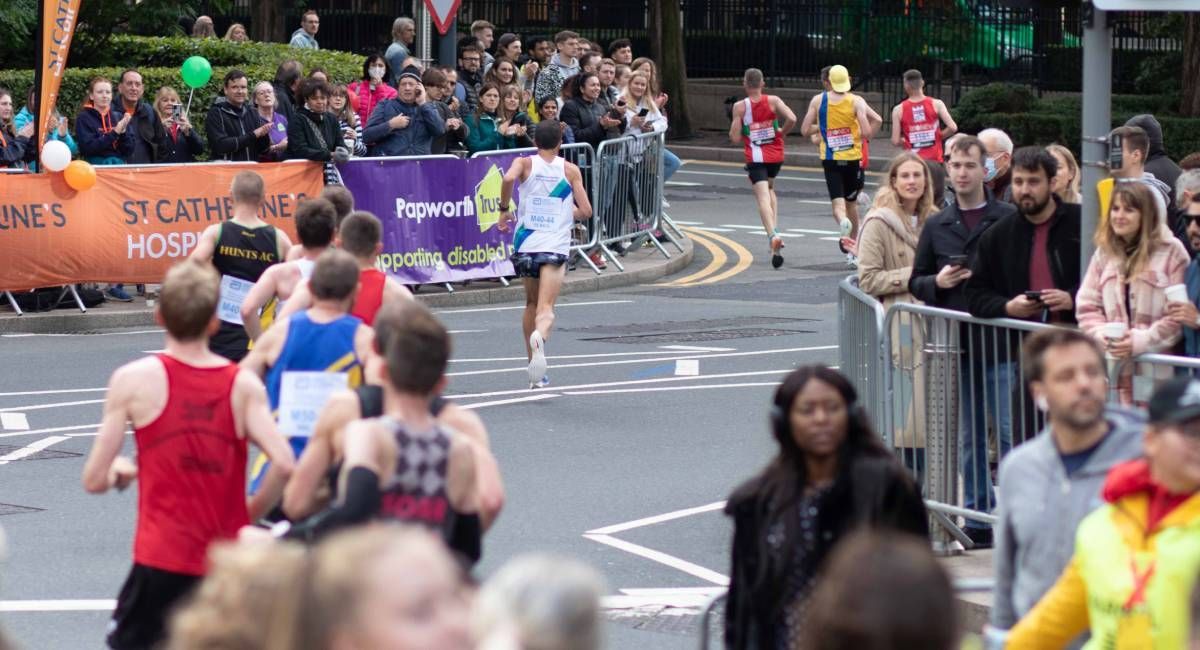
There are 45 charity runs taking place across the UK this September, and 26 more in October. And that's before you count the bike rides, the walks, and the obstacle courses. Every single one of them is a finish line full of people who are already emotionally invested in a cause. The question is whether charities are ready when that moment arrives. The supporter who wants to give Someone is standing on the pavement outside a leisure centre, cheering on a friend who has spent six months training for a half marathon in aid of a cause close to both of them. The runner crosses the line, the emotion is real, and the impulse to give, to add something to what their friend has already done, arrives right there in that moment. An older couple pauses at a collection point on a sponsored walk, reaches for a purse, and finds no cash. The moment passes, and the donation doesn't happen. Someone at home that evening looks at a friend's sponsorship page on their phone, means to donate, and closes the app before they get there. They forget. These are not edge cases. They are normal giving experiences at events, and they represent some of the most emotionally primed moments a charity will ever have access to. The supporter is already there, and they already care. The only thing standing between that feeling and a completed gift is making it easy. The scale of the opportunity Autumn is the UK's biggest season for challenge events. From half marathons and ultra runs to sponsored walks, triathlons and everything in between, the weeks ahead bring supporters and causes together right across the country for two of the busiest months in the fundraising calendar. At every one of them, new supporters arrive, often for the first time. People who have never given to the charity before but who are present, emotionally engaged, and ready to act. The energy in those crowds is real. The challenge has always been converting that energy into income. Cash giving is in long-term decline, card readers require infrastructure, and sponsorship pages ask supporters to remember a URL later when the emotional peak has already passed. A supporter who meant to give but didn't often doesn't come back. The moment that doesn't get lost Most people have their phone with them every minute of the day, which is why this moment matters. The device that can complete a donation in seconds is already in the supporter's pocket. The question is whether a charity has made it easy enough for them to use it. Scan a QR code on a collection point, a finish line banner, or an event programme. No app required, no URL to remember. The impulse doesn't fade. It gets captured. Text to Donate works alongside it. A shortcode on a screen or a banner is all a supporter needs, and they can give by text without a smartphone or a data connection. For supporters without confidence navigating giving pages, or those in areas with patchy signal, this matters more than most charities realise. Neither channel requires a volunteer with a card reader, or a conversation at exactly the right moment. The QR code on the banner and the shortcode on the poster do the work, whenever a supporter is ready to act. Both channels are also secure by design. Every transaction is handled through established mobile payment infrastructure, and supporters never need to hand over card details or personal information to a stranger at an event. For many people, giving by text or QR code actually feels safer than handing cash to a bucket or tapping a card reader they have never seen before. Where the relationship begins Here is what makes event giving genuinely transformative. Every donation made by text or QR code does two things at once. It collects a gift, and it captures a phone number, a contact the charity didn't have before that moment. That contact is not the end of a transaction. It is the start of something: a thank-you, a newsletter sign-up, an invitation to become a regular monthly donor before the Christmas giving season opens. Gift Aid should be part of every text donation, automatically. A secure link sent by text after the donation takes the supporter to a simple declaration page, adding 25p for every eligible pound raised at no extra cost to anyone. It takes seconds, and with the right platform there is no reason for it ever to go unclaimed. The event is not where the relationship ends. For charities set up to make the most of it, it is where the relationship begins. Being ready before the moment arrives The charities best placed to capture giving at events are not the ones who build the infrastructure the week before. They are the ones who already have it in place, a QR code ready for any piece of print, a shortcode ready for any banner, a mobile giving journey that works the moment someone scans or texts. The Great North Run, the Royal Parks Half Marathon and the Yorkshire Marathon attract thousands of runners and tens of thousands of supporters. Charities that have a frictionless giving option will capture donations that others leave behind. Ready to capture every moment this event season? Cymba builds mobile giving journeys that use QR codes, Text to Donate, SMS , and RCS to capture donations at exactly the right moment. Get in touch, and we'll show you what that looks like for your next event.

Text donations enable instant giving & high engagement. Start your campaign today to boost donor relationships!

Engage donors with SMS prize draws. Simplify fundraising & boost donations. Start your campaign today!
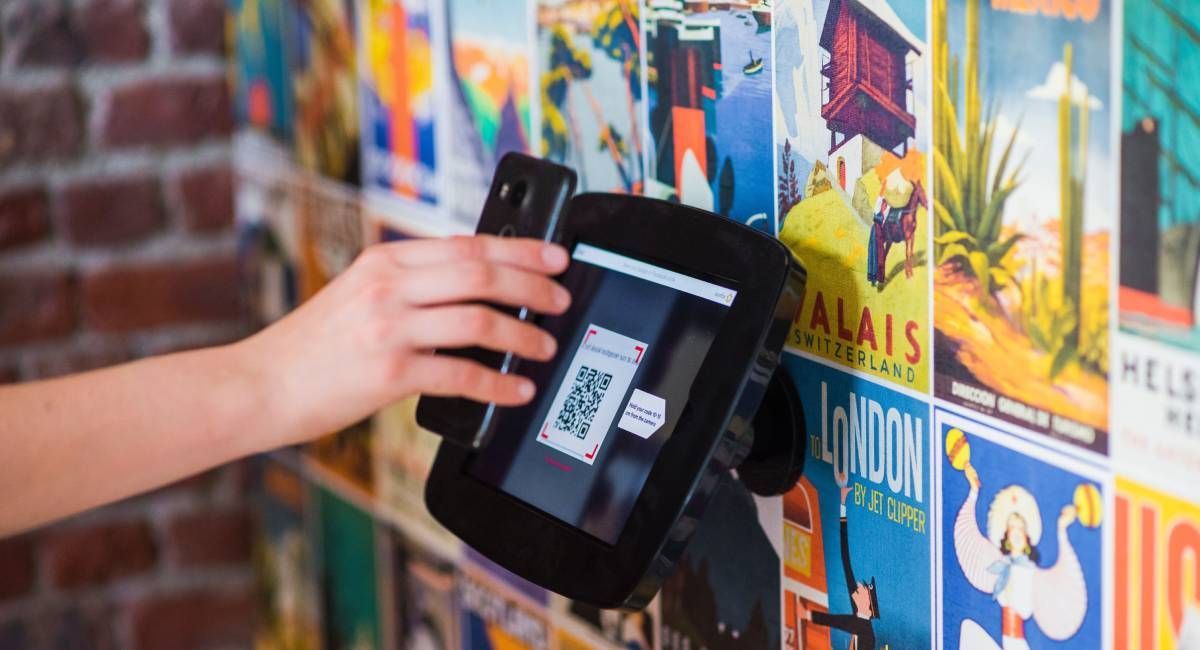
Explore the revival of QR codes & their impact on charities. Learn how Cymba can enhance your fundraising efforts today!

Engage the next generation of donors with subscription-based giving. Simplify donations & boost retention. Start enhancing your strategy today!

Learn how direct debit donors sustain UK charities with consistent support. Join us to enhance charity funding through reliable giving.

Boost your charity's revenue with SMS campaigns. Join Cymba for innovative fundraising solutions today!
